%20scale(0.78)'%3e%3cellipse%20cx='50'%20cy='67'%20rx='26'%20ry='20'%3e%3c/ellipse%3e%3ccircle%20cx='13'%20cy='48'%20r='10'%3e%3c/circle%3e%3ccircle%20cx='33'%20cy='23'%20r='12.5'%3e%3c/circle%3e%3ccircle%20cx='67'%20cy='23'%20r='12.5'%3e%3c/circle%3e%3ccircle%20cx='87'%20cy='48'%20r='10'%3e%3c/circle%3e%3c/g%3e%3c/svg%3e)
Yard Care
Is Dog Poop Bad for Your Lawn?
What Rio Grande Valley dog owners should know about pet waste, grass damage, and the lawn fertilizer myth.
7 min read
The short answer: yes
If you have a dog, finding a pile or two in the backyard probably doesn't seem like a big deal. After all, it's outside, it's organic, and eventually it breaks down.
So, is dog poop bad for your lawn? The short answer is yes, especially when it is allowed to accumulate. Dog poop can smother patches of grass, introduce excess nutrients into the environment, create an unpleasant yard, and potentially contain germs or parasites. It also isn't the lawn fertilizer many people assume it is.
Dog owners in Mission, McAllen, Edinburg, Pharr, and surrounding Rio Grande Valley communities may notice waste buildup becoming especially unpleasant during the hotter months. Keeping up with pet waste is one of the simplest ways to keep a backyard cleaner and more enjoyable.
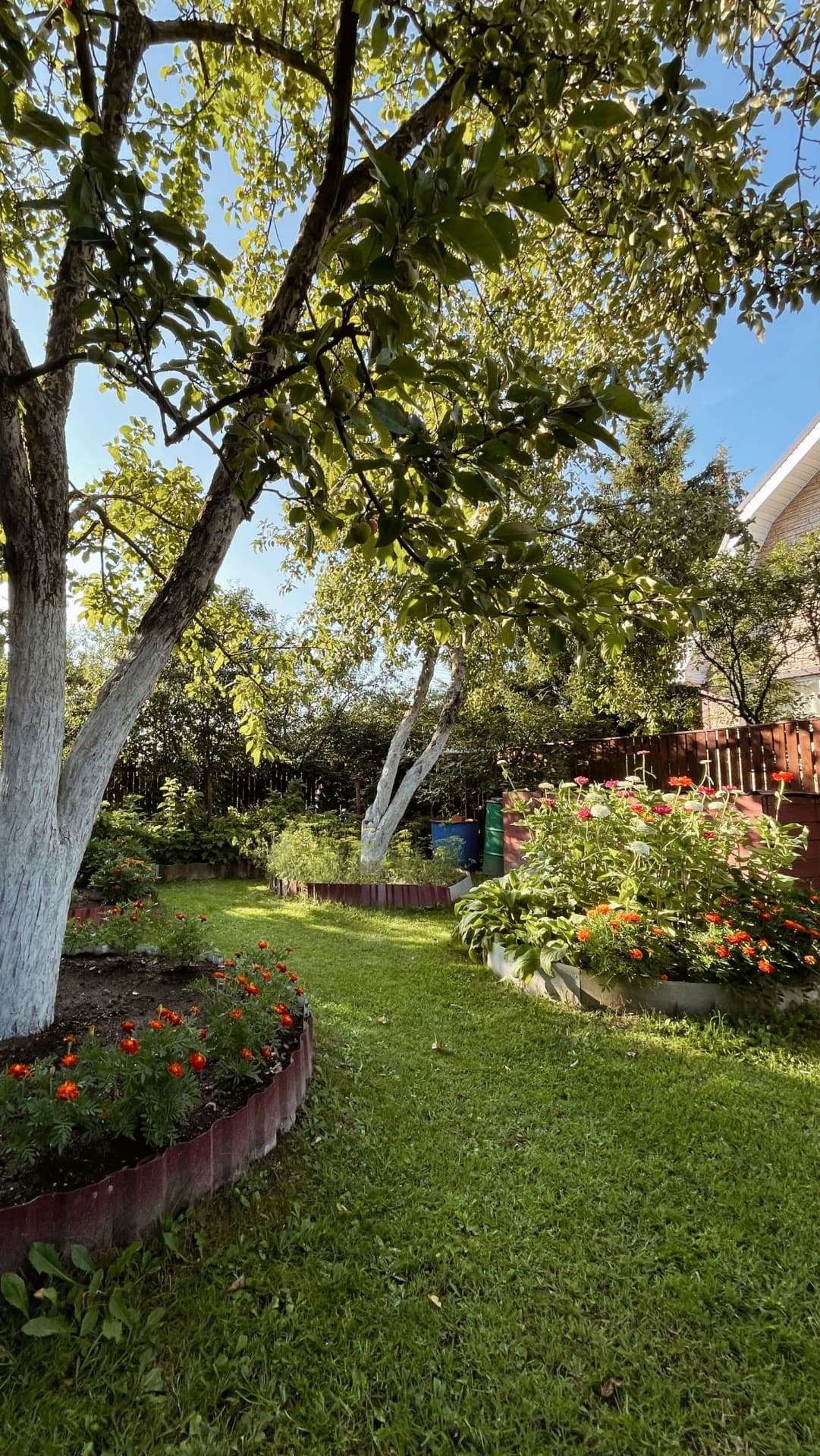
Is dog poop bad for grass?
Dog poop sitting on your lawn for an extended period can damage the grass underneath it.
One of the simplest reasons is physical: a pile left on the lawn can block sunlight and air from reaching the grass below. Utah State University Extension notes that persistent dog feces can smother small areas of turfgrass and create dead patches.
The occasional pile probably isn't going to destroy an otherwise healthy lawn overnight. The bigger problem develops when waste is repeatedly left behind or several dogs are using the same yard.
More dogs mean more waste, and more waste means more opportunities for piles to sit on the grass. Regular removal prevents that buildup before it becomes part of the landscape.
Does dog poop kill grass?
It can contribute to dead or damaged patches, but there's an important distinction.
When people notice small brown circles in their yard, dog urine is often the bigger culprit. Dog urine contains nitrogen compounds and salts that can become concentrated in one small area. Colorado State University Extension explains that these concentrated deposits can injure or kill turfgrass, particularly when a dog repeatedly urinates in the same areas.
Dog poop affects a lawn differently. Feces that remains in place can cover and smother the grass beneath it. So if you're noticing brown spots around your backyard, the answer may not be dog poop alone — your dog's bathroom habits as a whole can affect how your lawn looks.
Why South Texas lawns can already be under stress
Rio Grande Valley lawns deal with plenty of heat and periods of dry weather. Turf that is already stressed by hot, dry conditions can be more susceptible to visible damage from concentrated dog urine — University of Maryland Extension notes that severe urine damage is more likely on drought-stressed turf during hot weather. That doesn't mean having dogs and having a nice backyard are incompatible. It simply makes regular maintenance more important.
Is dog poop fertilizer?
This is one of the biggest misconceptions about leaving dog poop in the yard. Dog poop should not be treated like lawn fertilizer.
It may contain nutrients, including nitrogen and phosphorus, but that does not make leaving piles scattered around your yard a good lawn-care strategy.
The Environmental Protection Agency identifies pet waste as a source of nitrogen and phosphorus pollution when it is not disposed of properly. Rain and irrigation can carry those nutrients, along with bacteria and parasites, into waterways through runoff.
Want to fertilize your lawn?
Use a fertilizer appropriate for your type of grass and follow its application instructions. Don't rely on your dog's waste to do the job — it's different from manure intentionally prepared and used in agriculture.
What happens if you leave dog poop in the yard?
A few forgotten piles can quickly become dozens, particularly in a multi-dog household. Over time, leaving dog waste around the yard can create several problems.
Your yard becomes less enjoyable
Nobody wants to inspect every step before walking through their own backyard. Accumulated waste can make it harder to comfortably use the yard for grilling, playing with the kids, entertaining guests, mowing, or simply spending time outside with your dogs. And anyone who has accidentally found a missed pile with the lawn mower knows how unpleasant that can become.
Waste can remain around longer than you think
Dog poop doesn't simply disappear the next day. Depending on conditions, piles can remain in the yard while more continue to accumulate. When cleanup keeps getting pushed to "later," what seemed manageable can turn into an entire weekend chore.
Dog waste can contain germs and parasites
This is about more than appearance. The Centers for Disease Control and Prevention recommends removing dog feces from yards because dog and cat waste can contain germs and parasites that may be harmful to people.
For example, infected dogs can shed certain roundworm eggs through their feces. Those eggs can contaminate soil, where they may persist for extended periods under the right conditions. Hookworms associated with dogs and cats can also contaminate soil through animal feces — the CDC recommends disposing of animal waste promptly to reduce the opportunity for hookworm eggs to enter the soil and develop.
That doesn't mean every pile of dog poop is dangerous. It does mean regular cleanup is a sensible part of maintaining a yard where people and pets spend time.
How often should you pick up dog poop?
Ideally, pick up dog waste frequently enough that it doesn't have time to accumulate. For some households, that means daily. For others, setting aside time several times per week may be realistic.
The CDC's guidance is straightforward: dog poop should be picked up and properly disposed of, including waste in your own backyard. At a minimum, you don't want multiple weeks of waste collecting around the property.
The right cleanup frequency will depend heavily on the number of dogs you have. A household with one small dog will generate significantly less waste than a household with three or four large dogs. That's one reason weekly dog poop removal works well for many families: it creates a predictable cleanup routine before the yard gets out of hand.
What about multi-dog homes?
This is where staying ahead of pet waste can become difficult. One dog might produce only a few piles over several days. Multiply that by two, three, or four dogs, and the backyard can change quickly.
If you have multiple dogs, regular removal can help:
- Prevent piles from accumulating throughout the yard
- Keep frequently used areas cleaner
- Make mowing and lawn maintenance easier
- Reduce the chance of someone stepping in a missed pile
- Keep cleanup from turning into a much bigger chore later
The goal isn't necessarily to have a perfectly spotless lawn every hour of the day. It's to keep waste from piling up faster than you're willing or able to clean it.
Can you just mow over dog poop?
You can, but you probably won't enjoy the result. Mowing over dog poop doesn't actually remove the waste. Instead, the mower can break it apart and spread it across the surrounding grass — while potentially leaving you with a mower that needs cleaning afterward.
Picking up visible waste before mowing is the better approach. If the yard hasn't been cleaned in a while, doing a thorough cleanup before your next mow can make the job significantly more pleasant.
How do you keep a dog-friendly yard cleaner?
You don't need to constantly follow your dog around the backyard with a scoop. A few simple habits make a big difference.
Create a regular cleanup schedule.
Whether it's daily, several times per week, or weekly, consistency prevents accumulation.
Pay attention to your dog's favorite spots.
Most dogs develop routines. Checking those areas first can make cleanup faster.
Clean before mowing.
Walking the yard beforehand prevents unwanted surprises.
Keep dogs on regular veterinary care.
Your veterinarian can recommend appropriate parasite prevention and testing for your dog.
And if cleanup continually gets pushed down your to-do list, professional pet waste removal can turn an inconsistent chore into a regular service.
Weekly dog poop removal in the Rio Grande Valley
Cleaning up after your dog is simple in theory. Finding the time to do it every week is another story.
That's why Ground Patrol provides recurring dog poop removal in Mission, McAllen, Edinburg, Pharr, and surrounding Rio Grande Valley communities. We also provide pet waste removal in Alton, dog waste removal in Palmview, pet waste removal in Palmhurst, pet waste removal in Sharyland, dog poop removal in San Juan, and pet waste removal in Hidalgo.
You don't have to be home during service. Ground Patrol arrives on your scheduled service day, cleans the designated yard, checks the gate before leaving, and lets you know when patrol is complete.
It's one less chore between you and a yard you can actually enjoy.
The bottom line: is dog poop bad for your lawn?
Yes. Leaving dog poop in your yard isn't good for your grass, and it isn't an effective way to fertilize your lawn.
Waste that remains on the grass can smother small patches of turf, while accumulated pet waste can make the backyard less enjoyable and introduce germs or parasites into the environment.
The easiest solution is also the most obvious one: pick it up regularly. And if that's one chore you'd rather take off your list, Ground Patrol provides pet waste removal throughout the Rio Grande Valley.
More from the blog
Keep reading — practical yard care tips from the Ground Patrol crew.
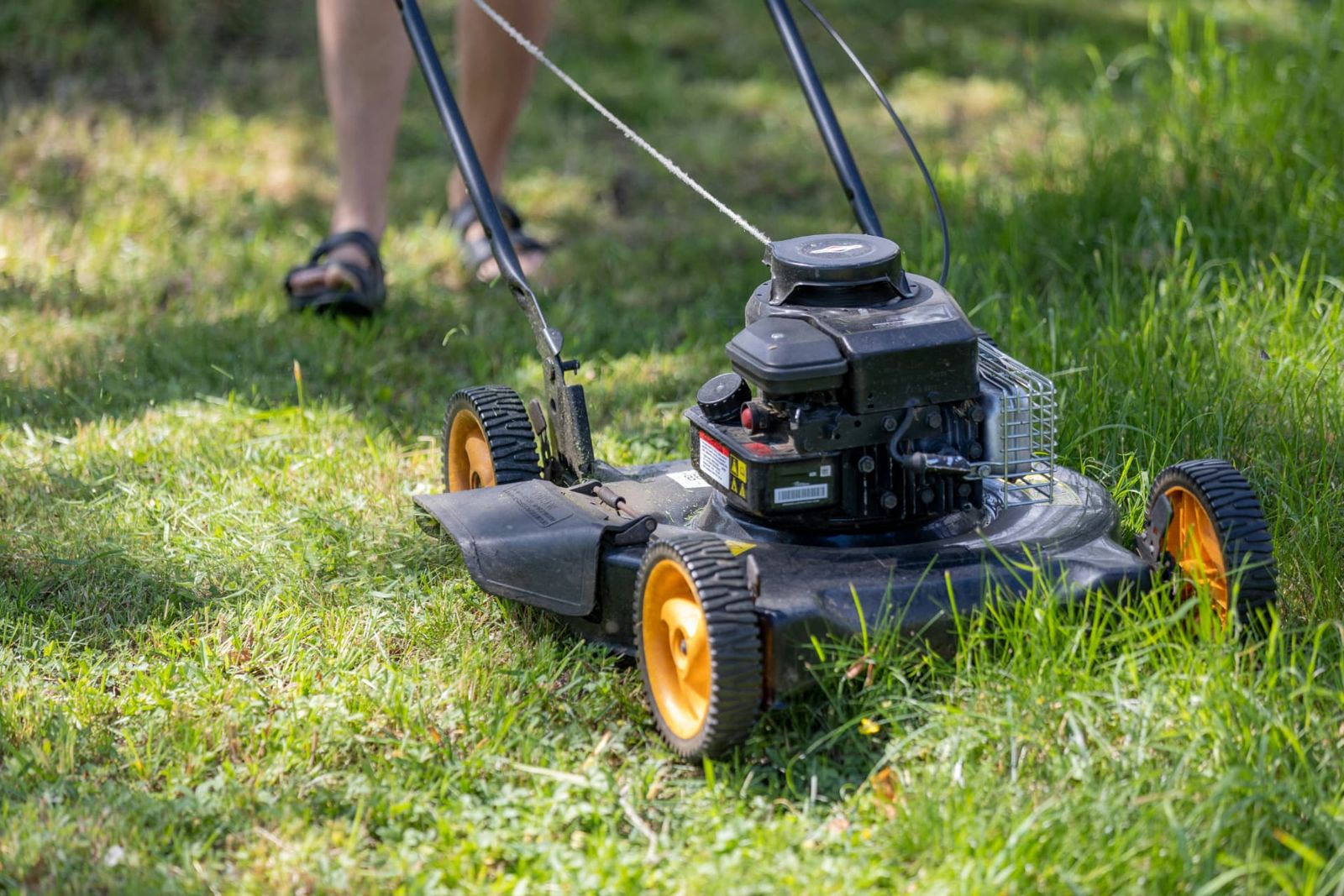
Should You Pick Up Dog Poop Before Mowing Your Lawn?
Should you pick up dog poop before mowing? Learn why mowing over pet waste can spread the mess, affect your lawn, and make your mower harder to clean.
Why Does My Backyard Smell Like Dog Poop? Causes & Solutions for RGV Dog Owners
Still smelling dog poop in the yard after cleanup? Learn what causes lingering pet odors in South Texas yards and practical ways to keep your backyard fresher.
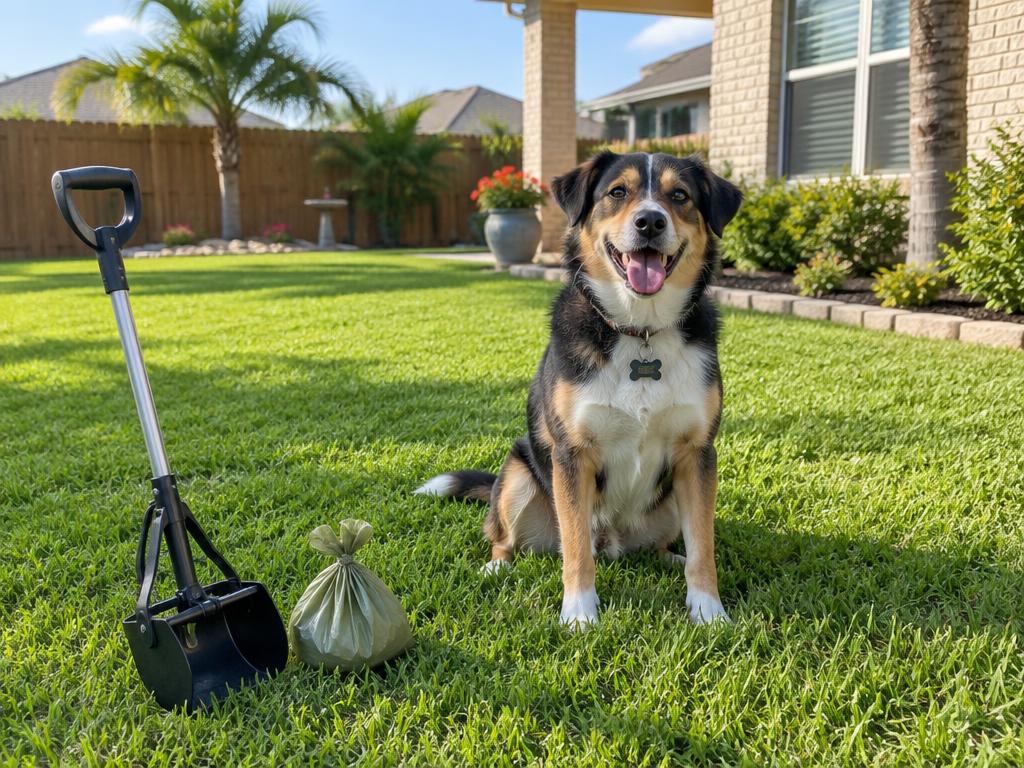
What Is a Pooper Scooper Service? A Guide for Rio Grande Valley Dog Owners
What is a pooper scooper service? Learn how professional pet waste removal works, why regular dog poop cleanup matters, and whether it makes sense for your RGV home.
Ready for a cleaner yard?
Get an instant quote from Ground Patrol and see what recurring pet waste removal costs for your home in the Rio Grande Valley.