%20scale(0.78)'%3e%3cellipse%20cx='50'%20cy='67'%20rx='26'%20ry='20'%3e%3c/ellipse%3e%3ccircle%20cx='13'%20cy='48'%20r='10'%3e%3c/circle%3e%3ccircle%20cx='33'%20cy='23'%20r='12.5'%3e%3c/circle%3e%3ccircle%20cx='67'%20cy='23'%20r='12.5'%3e%3c/circle%3e%3ccircle%20cx='87'%20cy='48'%20r='10'%3e%3c/circle%3e%3c/g%3e%3c/svg%3e)
Yard Care
Why Does My Backyard Smell Like Dog Poop? Causes & Solutions for RGV Dog Owners
You scoop regularly, but the yard still smells. Here's where that odor usually comes from and what you can do about it.
7 min read
You cleaned up. So why does it still smell?
You pick up after your dog, but when you step outside later, your backyard still smells like dog poop. It's one of the most common frustrations we hear from dog owners.
Picking up visible waste is the single most important thing you can do. But the smell isn't always coming from what you can see on the lawn. Residue, urine, missed piles, heat, and even the type of surface in your yard can all play a part.
Below, we break down the most common causes of a dog poop smell in the yard and practical ways to keep your outdoor space fresher.
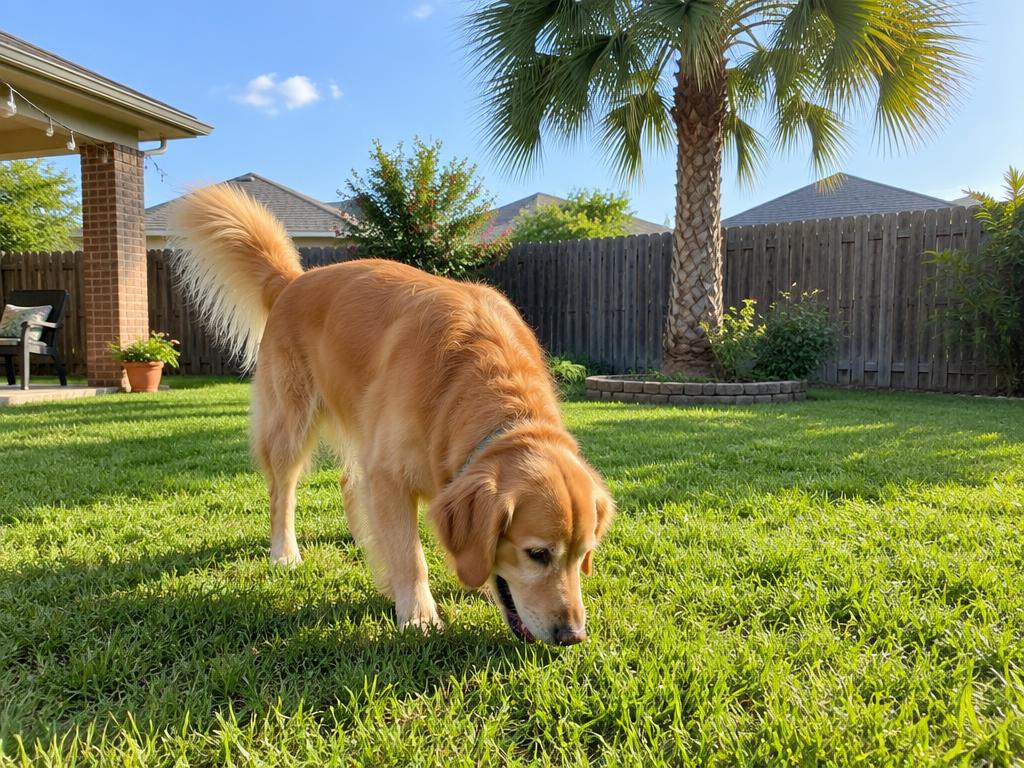
Why Does My Yard Still Smell After I Pick Up the Dog Poop?
Scooping removes the main source of odor, but it rarely removes every trace. When waste sits for a while, especially after rain or sprinklers, small amounts can smear into grass blades, soak into soil, or break apart between gravel.
That leftover residue is usually small, but in a spot your dog visits every day, it adds up. It's also one reason picking up waste sooner rather than later makes a real difference.
Dog Urine Can Be Part of the Smell
Sometimes the smell you notice isn't poop at all. Dogs tend to urinate in the same favorite areas over and over, like along the fence, near a tree, or on a patch of gravel. Over time, those spots can develop a sharp, ammonia-like odor.
It's worth knowing that picking up solid waste, whether you do it yourself or hire a professional pet waste removal service, doesn't remove urine. If the smell is strongest around your dog's pee spots, urine is likely a big part of the problem.
South Texas Heat Can Make Yard Odors More Noticeable
Warm temperatures help odors travel. On a hot afternoon, smells that you might barely notice in cooler weather can seem much stronger, and humidity can make them linger in the air.
Here in the Rio Grande Valley, where warm weather stretches through much of the year, many dog owners in Mission, McAllen, and Edinburg notice yard odors more in late spring and summer. The waste isn't necessarily worse. The heat just makes existing odors easier to smell.
Rain and sprinklers can also play a role. Moisture can reactivate dried residue, which is why a yard sometimes smells stronger right after it gets wet.
Missed Waste Can Hide in the Yard
Even careful dog owners miss a pile now and then. Waste is easy to overlook in places like:
- Tall or overgrown grass
- Landscaping beds and mulch
- Along fence lines
- Under or behind bushes
- Yard corners
- Under fallen leaves
- Areas your dog uses when you're not watching
A quick walk across the middle of the yard often misses these spots. A systematic cleanup, where you walk the yard in rows and check the edges, is much more likely to catch everything. That's the same approach professional scoopers use.
Multiple Dogs Can Mean Faster Odor Buildup
More dogs generally means more waste and more bathroom trips in the same space. In a smaller yard, that can concentrate odors quickly, even if you're keeping up with cleanup.
If you have two or more dogs, it may help to rethink how often you should pick up dog waste. A schedule that works for one dog may not be enough for three.
Some Yard Surfaces Hold Odors Longer Than Others
Porous surfaces and areas that are hard to rinse tend to hold onto residue and odor. Here's how common yard surfaces compare:
Grass and soil
Residue can settle into thatch and the top layer of soil, especially in spots your dog uses every day.
Gravel and rock
Small bits of waste and urine can slip between stones, where they are hard to see and hard to reach.
Concrete and patios
Concrete is porous. Without an occasional rinse, it can hold onto smells longer than you might expect.
Artificial turf
Turf doesn't absorb like soil does, so urine and residue can collect in the backing and infill if the surface isn't rinsed regularly.
Waste left on grass can also cause other problems beyond smell. Learn more about how dog waste can affect your lawn.
How to Reduce Dog Waste Odor in Your Backyard
You don't need a complicated routine. These steps cover most odor problems:
- 1
Pick up waste consistently
The fewer days waste sits in the yard, the less chance it has to break down, spread, and add to odor.
- 2
Keep the grass maintained
Shorter, well-kept grass makes waste easier to spot and gives residue less to cling to.
- 3
Watch your dog's favorite bathroom spots
Most dogs return to the same few areas. Giving those spots extra attention goes a long way.
- 4
Rinse appropriate hard surfaces
A simple rinse of patios, concrete runs, or turf can help when those areas start to smell. Direct runoff toward the lawn rather than the street or storm drain.
- 5
Skip the harsh chemicals
Strong cleaners like bleach can damage grass and landscaping and may not be safe for your dogs. Choose products labeled safe for pets and lawns.
- 6
Consider a pet-safe deodorizing treatment
If odors hang around even with regular cleanup, a treatment designed for yards may help freshen the areas your dog uses most.
Proper disposal matters too. The U.S. EPA notes that pet waste left on lawns can wash into storm drains and local waterways, and Texas's Take Care of Texas campaign recommends bagging pet waste and placing it in the trash.
What Is Yard Deodorizing?
Yard deodorizing is a treatment applied to the areas where pet odors tend to build up, like favorite potty spots, fence lines, turf, and gravel. It's meant to help neutralize lingering odors after the waste has been removed.
At Ground Patrol, yard deodorizing is an optional add-on to cleanup visits. It won't make every smell disappear for good, since dogs will keep using the yard, but it can help your outdoor space feel noticeably fresher.
Not every yard needs it. Many yards stay fresh with regular pickup alone. Deodorizing is there for households that want an extra step.
Regular Cleanup Makes Odor Easier to Manage
The simplest way to keep yard odor under control is to stop waste from piling up in the first place. A yard that gets cleaned every week is much easier to keep fresh than one that gets a big cleanup once a month.
If keeping up with it yourself isn't realistic, a recurring pet waste removal service can take that chore off your list. Plenty of dog owners handle it on their own, though. What matters most is consistency.
Pet Waste Removal in the Rio Grande Valley
Ground Patrol provides professional pet waste removal and optional yard deodorizing for dog owners across the Rio Grande Valley, including Mission, McAllen, and Edinburg. We walk the yard carefully, remove the waste, and let you know when your cleanup is done.
Not sure which service fits your yard? You can get a free quote in just a few minutes.
Want a cleaner, fresher yard?
Want a cleaner, fresher yard without adding another chore to your week? Ground Patrol provides recurring pet waste removal and optional yard deodorizing throughout the Rio Grande Valley.
More from the blog
Keep reading — practical yard care tips from the Ground Patrol crew.
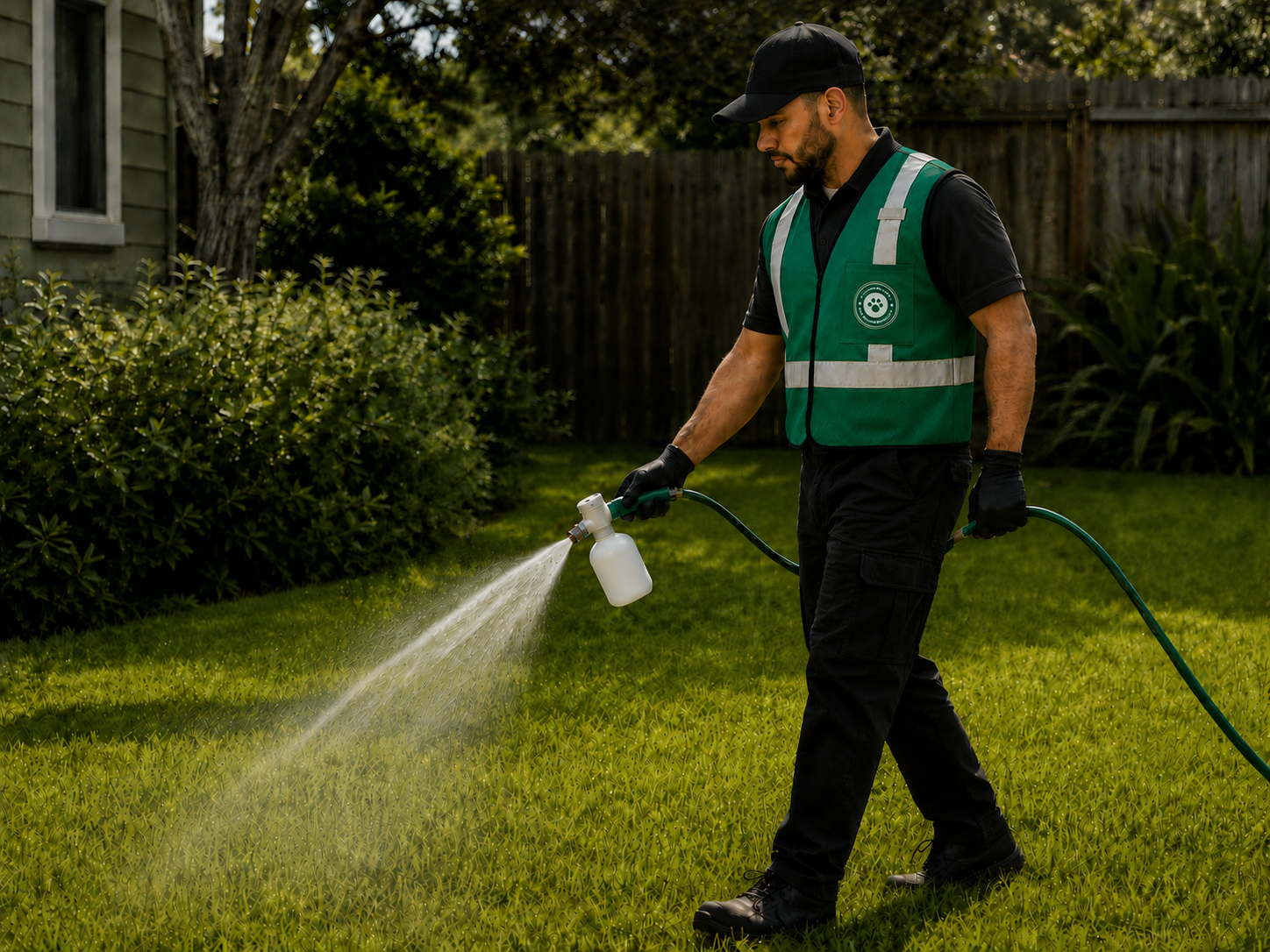
What Is Yard Deodorization? A Guide for Dog Owners
What is yard deodorization? Learn how it helps neutralize dog urine smell and pet odors after professional pet waste removal in the Rio Grande Valley.
How Often Should You Pick Up Dog Waste?
Weekly, bi-weekly, or one-time? Here's how to choose the right pet waste removal schedule for your yard, your dogs, and your lifestyle.
Is Dog Poop Bad for Your Lawn? What Rio Grande Valley Dog Owners Should Know
Is dog poop bad for your lawn? Learn how pet waste can affect grass, why it isn't fertilizer, and how often Rio Grande Valley dog owners should clean their yards.